New seasonal ban in the Golfo de Nicoya to protect reproductive cycles
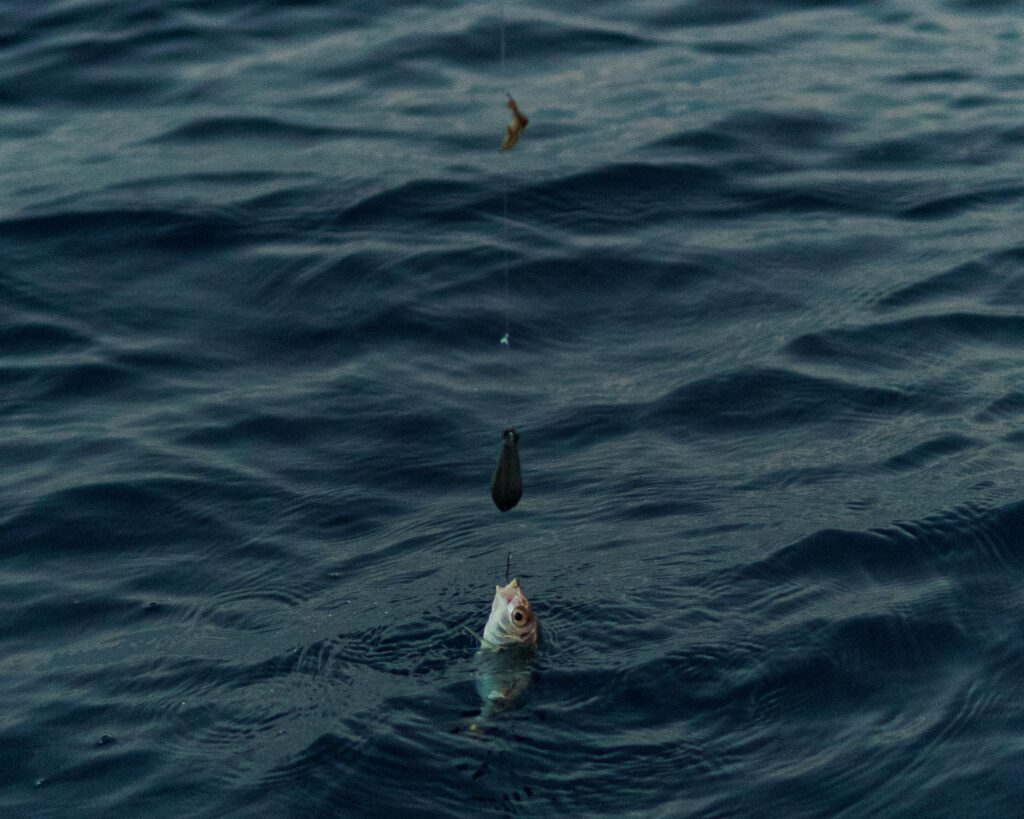
From May 1 to July 31, 2026, Costa Rica enforced a temporary fishing ban in the Gulf of Nicoya, one of the country’s most important marine zones for artisanal, commercial, and sport fishing. This measure aims to protect the reproductive and growth periods of key marine species that sustain both biodiversity and the livelihoods of coastal communities.
What areas and species are involved?
The restriction applies to a defined area of the gulf that extends from Punta Torres (Peñón) to the Isla Negritos lighthouse, continuing toward Punta Cuchillos on the Nicoya Peninsula and inland between Puerto Níspero and Puerto Moreno at the mouth of the Tempisque River. Among the species targeted for reproductive protection are commercially important fish such as corvina reina, aguada, and picuda, along with other species that depend on uninterrupted breeding cycles.
Institutional coordination for monitoring and enforcement
During the ban, the Instituto Costarricense de Pesca y Acuicultura (INCOPESCA) coordinates with the Ministerio de Ambiente y Energía (MINAE), the Ministerio de Seguridad Pública, and other national authorities to strengthen surveillance and monitoring in the restricted area. These actions seek to ensure effective compliance and protect marine resources for future fishing seasons.
Exceptions and support for fishers
The regulation includes limited exceptions:
- Mollusk harvesting may continue for those with valid authorization from INCOPESCA.
- Semi-industrial sardine fishing is permitted from June 1 to July 31.
In addition, fishers holding tourism licenses or research permits affected by the closure may request financial assistancefrom the Instituto Mixto de Ayuda Social (IMAS) to offset the temporary impact.
Importance of the ban for biodiversity and communities
The Gulf of Nicoya is a highly productive coastal estuary where many marine species complete essential stages of their life cycles. Seasonal fishing bans are a recognized fisheries management tool that allow fish populations to reproduce without capture pressure during critical months, helping to maintain ecosystem health and long-term fishing sustainability.
For coastal families, the ban represents a pause in activity, but also an investment in the resilience of the marine resources on which they depend. These measures help ensure that species can reproduce successfully and maintain healthy populations for future sustainable harvests.
Official and informational sources
- Instituto Costarricense de Pesca y Acuicultura — Agreements and regulations on seasonal fishing bans.
- Ministerio de Agricultura y Ganadería — Historical regulation of fishing closures and marine resource use.
- Ministerio de Ambiente y Energía — Environmental policy and marine resource management.
- Ministerio de Seguridad Pública — Maritime control and enforcement during fishing bans.
- Instituto Mixto de Ayuda Social — Social support programs for affected fishers.