Progress in standards for the protection and management of macaws
The Ministry of Environment and Energy (MINAE) is working on the creation of a specific regulation to govern the possession of macaws in captivity. The goal is to harmonize the protection of these species with responsible management practices and animal welfare, always adhering to scientific and conservation criteria.
This initiative arises from various requests and inquiries regarding the reproduction, maintenance, and care of macaws in controlled environments. It also aims to ensure that any intervention involving these birds is carried out in compliance with current environmental legislation and ethical biodiversity conservation principles.
What does the regulation seek and why is it necessary?
The regulations being developed aim to establish clear technical criteria for exceptional situations where the captivity of macaws is authorized, such as:
- Rehabilitation and rescue programs for birds that cannot be safely released into the wild.
- Authorized conservation centers that meet animal welfare standards and contribute to species protection.
- Authorized scientific research for studies that contribute to the knowledge and conservation of macaws and their habitats.
The regulation intends to prevent inadequate practices, such as keeping these birds as pets without technical oversight, which can harm their health, welfare, and ecological value. Simultaneously, it seeks to strengthen the current legal framework for cases involving specialized management under state supervision.
The Importance of Macaws in Costa Rican Ecosystems
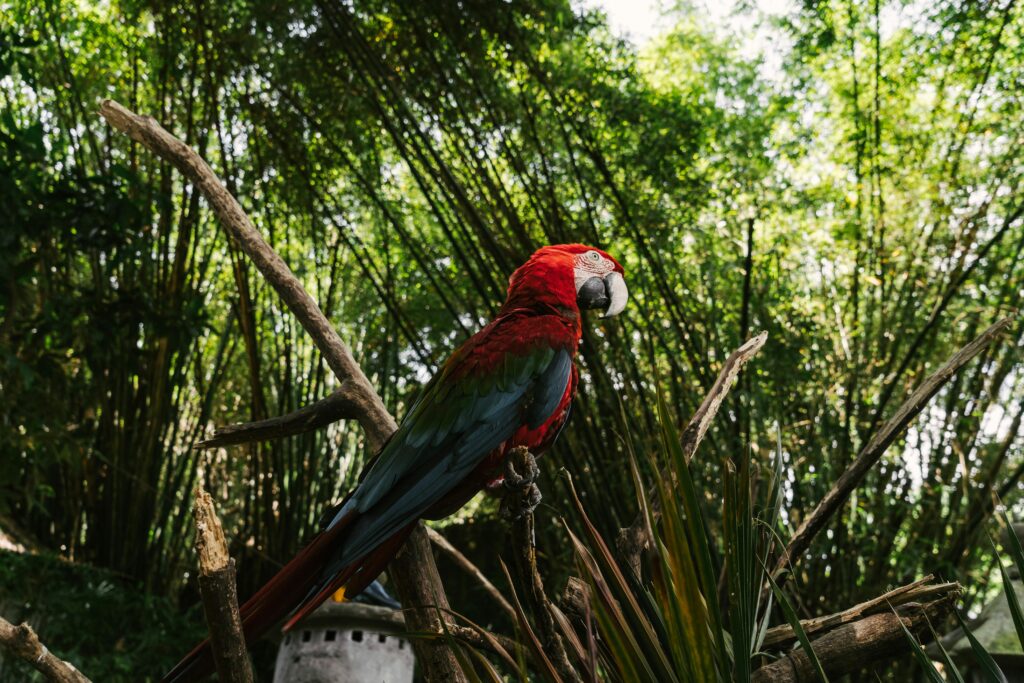
Macaws, such as the Scarlet Macaw (Ara macao) and the Great Green Macaw (Ara ambiguus), are iconic birds of Costa Rica’s tropical forests. These species play a key role in seed dispersal and the dynamics of forest ecosystems, contributing to the health and regeneration of tropical forests.
Furthermore, macaws are symbols of Costa Rican biodiversity and part of the natural heritage that the country protects through environmental policies, wilderness areas, and sustainable management actions for native fauna.
Institutional Participation and Public Consultation
The development of this regulation involves technical participation from institutions such as the National System of Conservation Areas (SINAC) and other stakeholders linked to wildlife conservation. These entities collaborate to define scientific criteria that ensure animal welfare and species protection.
Additionally, a public consultation is planned to receive feedback from experts, environmental organizations, and the general public, aiming to enrich the regulatory process and ensure that the provisions are clear, efficient, and viable.
Legal Framework and Wildlife Protection
This initiative responds to the need to clarify practical and technical aspects within the Costa Rican legal framework for the protection of wildlife and the environment. Laws such as the Wildlife Conservation Law and its regulations establish general principles but require more detailed provisions for specific cases.
By having defined rules, authorities will be able to act with greater legal certainty regarding both the protection of species and the supervision of activities involving vulnerable animals.
Potential Benefits of the Regulation
- Greater legal clarity for macaw management in specific situations.
- Effective protection of animal welfare in authorized care programs.
- Strengthening of conservation measures through practices based on technical and scientific criteria.
- Reduction of illegal trafficking risks or inadequate possession of wildlife.
Sources Consulted
- Teletica.com: “MINAE works on regulation that would allow macaws in captivity” — news coverage on the regulatory proposal.
- Ministry of Environment and Energy (MINAE): Official information and progress in environmental regulation.
- National System of Conservation Areas (SINAC): Technical criteria and wildlife conservation.
- Wildlife Conservation Law: