A wildlife monitoring program carried out at Reserva Conchal in Guanacaste recorded a total of 79 wildlife species in 2025, providing new information about the biodiversity that remains within this coastal landscape.
The results are included in FIFCO’s 2025 Integrated Report, which states that monitoring was conducted using camera traps installed in forested areas and wildlife crossings on the property. The records included 3 reptile species, 48 bird species, and 28 mammal species.
Beyond the number itself, the study helps demonstrate how natural areas within tourist destinations can serve as refuges and corridors for wildlife.
Camera Traps Help Reveal the Area’s Wildlife
As part of its conservation programs, Reserva Conchal installed 20 camera traps in October 2023, placing them in forested areas and near tree crossings used by wildlife.
These devices make it possible to record animals without capturing them or directly interfering with their behavior. They can operate for extended periods and provide information about which species use particular areas, how frequently they appear, and how they move through the landscape.
According to FIFCO’s report, the cameras remained operational through 2025 and helped document the 79 species recorded that year. The information collected was intended to be analyzed and shared during the first quarter of 2026 to strengthen wildlife conservation and management efforts.
48 Bird Species, 28 Mammals and 3 Reptiles
Birds represented the largest group in the monitoring results, with 48 species recorded. They were followed by 28 mammal species and 3 reptile species.
These findings are particularly relevant in Guanacaste, a region where tropical dry forests, mangroves, and coastal ecosystems form a mosaic of habitats that are important for wildlife.
Official information from the National System of Conservation Areas (SINAC) also identifies a wide variety of wildlife in the Mixed National Wildlife Refuge of Conchal, including howler monkeys, coatis, raccoons, porcupines, white-tailed deer, anteaters, armadillos, and squirrels. Bird species found in the area include trogons, hawks, woodpeckers, and herons, as well as various reptiles and invertebrates.
A Wildlife Refuge Within a Tourist Destination
The presence of this biodiversity is closely linked to the natural areas preserved within Reserva Conchal and its surrounding landscape.
The Mixed National Wildlife Refuge of Conchal was officially established in 2009 through Executive Decree No. 35426. It covers 39.75 hectares, of which 28.29 hectares are privately owned and 11.46 hectares form part of the State’s Natural Heritage.
The refuge is located in the Cabo Velas district of Santa Cruz, Guanacaste, and protects ecosystems associated with mangroves and surrounding forests. Its environments include dry forest transitioning toward wetter forest, mangroves, the Puerto Viejo estuary, and the mangrove lagoon.
An Important Link Within a Biological Corridor
The importance of Reserva Conchal extends beyond the species living within its boundaries.
Research published by the Costa Rica Institute of Technology (TEC) analyzed the functional connectivity of Reserva Conchal as part of the Baulas-Conchal Coastal-Marine Biological Corridor. The study highlights the importance of maintaining connectivity between different habitat fragments, allowing species to move through the landscape and reducing the effects of habitat fragmentation.
The Mixed National Wildlife Refuge of Conchal is also connected to broader ecological connectivity initiatives. Documentation concerning the area highlights its relationship with the Diriá Biological Corridor and the ecological importance of its coastal and mangrove ecosystems.
Habitat Restoration Is Also Part of Conservation
Wildlife monitoring is complemented by initiatives aimed at restoring and maintaining natural habitats.
Reserva Conchal reports that one of its restoration programs has included producing and planting trees to restore fragmented habitats and increase vegetation available to species such as howler monkeys. One of these programs involved planting 15,000 trees in the reserve’s nursery.
These initiatives are particularly important in areas where human activities have reduced or fragmented natural habitats. Maintaining trees, forests, and ecological corridors provides animals with food, shelter, and routes for movement.
Monitoring Helps Guide Conservation Decisions
Recording species is not simply about creating a list of animals present in a particular area.
Data collected through camera traps can help identify areas used by wildlife and detect potential conflicts between animals and human activities. This information can then help guide conservation, restoration, and wildlife management measures.
At Reserva Conchal, monitoring forms part of a broader strategy that also includes wildlife crossings. According to FIFCO’s report, since 2023 the organization has collaborated with McGill University and the SalveMonos Foundation on projects related to wildlife conservation and the use of technological tools.
In 2025, approximately US$20,000 was also allocated to the design and installation of new wildlife crossings, with implementation planned for 2026.
An Example of Conservation in a Tourist Area
The results from Reserva Conchal demonstrate that tourism and conservation can coexist when areas are specifically dedicated to protecting ecosystems and when ongoing restoration and monitoring efforts are maintained.
SINAC identifies the conservation and restoration of mangrove and surrounding forest ecosystems among the objectives of the Mixed National Wildlife Refuge of Conchal. Environmental education, biodiversity protection, monitoring, and management are also part of its conservation objectives.
The identification of 79 wildlife species in 2025 therefore provides a new snapshot of the biodiversity present in the area. It also highlights the importance of continuing long-term monitoring to understand how animals use these spaces and how their habitats can be protected more effectively.
Biodiversity Beyond the Beach
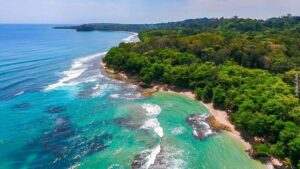
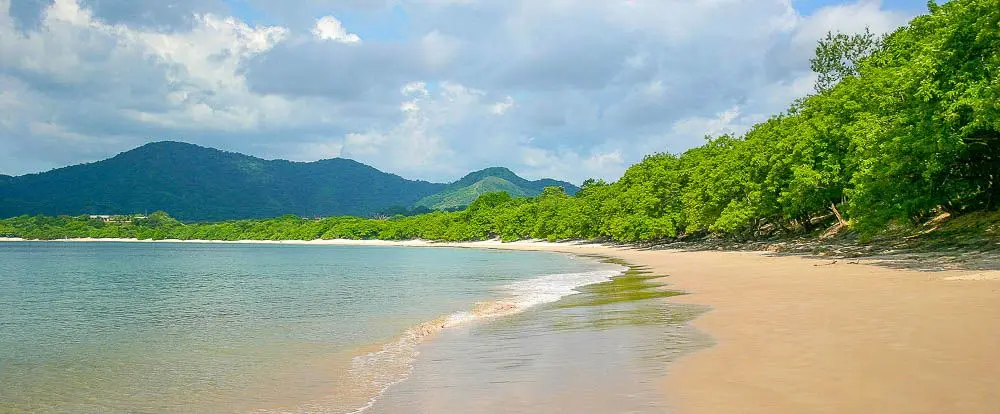
For many visitors, Reserva Conchal is primarily associated with its beaches and coastal landscapes. However, the monitoring results reveal a much broader ecosystem beyond the shoreline.
Forests, mangroves, estuaries, and regenerating areas provide habitats for numerous species and form part of an ecological network that extends well beyond the boundaries of a single property.
The record of 79 species does not necessarily represent all the biodiversity found at Reserva Conchal. Rather, it reflects the species detected through this particular monitoring program and its specific methods.
Continuing systematic observations can therefore help expand knowledge about local wildlife and determine how the ecosystem changes over time.
Sources
National System of Conservation Areas (SINAC): official information on the Mixed National Wildlife Refuge of Conchal, its ecosystems, wildlife, conservation objectives, and management.
FIFCO – 2025 Integrated Report: information on the camera-trap monitoring program at Reserva Conchal and the 79 wildlife species recorded during 2025.
Costa Rica Institute of Technology (TEC): research concerning the functional connectivity of Reserva Conchal within the Baulas-Conchal Coastal-Marine Biological Corridor.
Costa Rican Legal Information System / Attorney General’s Office (PGR): Executive Decree No. 35426 establishing the Mixed National Wildlife Refuge of Conchal.