
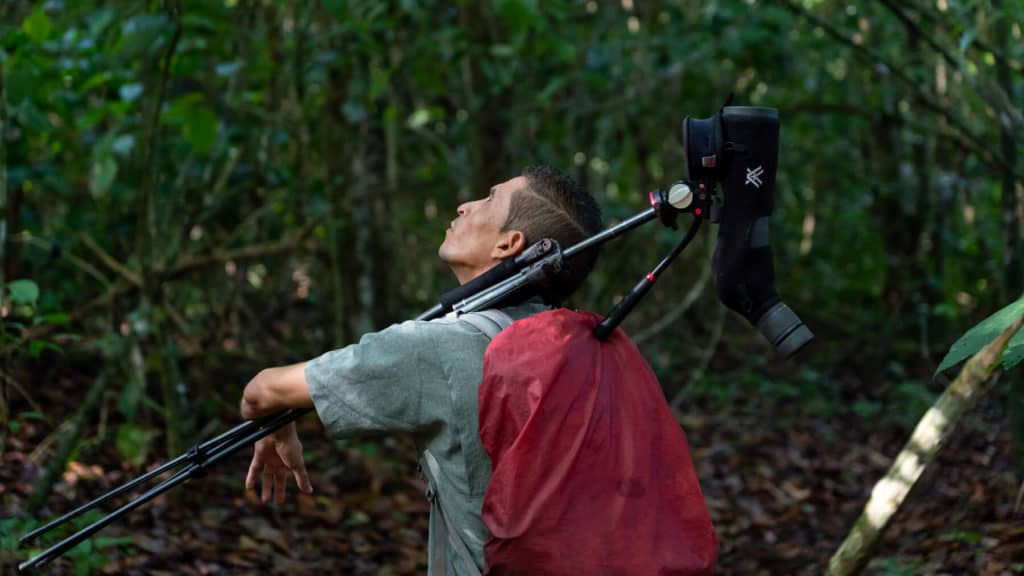
Corcovado National Park, on the Osa Peninsula, is facing growing pressure to protect its ecosystems from illegal activities, while park rangers must cover a vast and difficult territory with limited human and operational resources.
The situation is once again drawing attention to Costa Rica’s ability to protect one of its most important natural areas from illegal gold mining, poaching, logging and illegal fishing.
According to a report published by The Tico Times on August 17, 2026, data from the National System of Conservation Areas (SINAC) indicated that Corcovado had 48 park rangers as of June 17. However, according to statements cited by the newspaper, around 15 were primarily assigned to control and protection duties, while the others were also responsible for tourism and other park operations.
The scale of the territory helps explain the challenge. Corcovado protects approximately 42,570 hectares of land, together with 5,375 hectares of marine territory, encompassing forests, beaches, wetlands and coastal waters.
A Remarkable Territory That Requires Constant Protection
Created in 1975, Corcovado National Park is part of the Osa Conservation Area and protects one of Costa Rica’s most ecologically important regions.
Its geography combines tropical forests, rivers, wetlands, beaches and marine environments, making protection particularly complex.
The distance between different sectors, rugged terrain and remote areas mean that surveillance can require long patrols and significant logistical support.
For rangers, protecting the park is therefore not simply a matter of being present. It requires transportation, communications equipment, supplies and enough personnel to respond when problems arise.
Illegal Gold Mining Remains a Major Threat
One of the most serious concerns is the continued presence of illegal gold mining.
According to The Tico Times, rangers discovered an alleged illegal mining operation near the Sirena River in January. Four men were detained, and authorities reportedly found equipment including GPS devices, water pumps and a generator. One suspect escaped, while some of those detained allegedly threatened park rangers.
Another operation took place in March in a remote part of the park. Eight rangers reportedly walked approximately 10 kilometers from the Los Patos station to reach an illegal mining camp. Three people were detained and mining equipment was seized.
These operations illustrate how difficult it can be to monitor illegal activities in remote areas of Corcovado.
The problem is not new. Illegal gold mining has been a long-standing issue on the Osa Peninsula, but recent reports suggest that some operations may now have access to better equipment and greater logistical resources.
Environmental Consequences Can Extend Beyond the Mine
Illegal mining is not simply a legal issue within a protected area.
Gold extraction can disturb soil, alter waterways and affect ecosystems that depend on clean and stable water systems.
In a landscape where rivers cross large areas of rainforest before reaching the Pacific Ocean, environmental damage in one location can potentially affect ecosystems farther downstream.
According to recent reporting, rangers have encountered equipment such as metal detectors and satellite phones in illegal mining operations, suggesting that some groups may have increasingly sophisticated tools for operating in remote areas.
The Threats Go Beyond Gold Mining
Illegal mining is not the only challenge.
Rangers also have to respond to poaching, illegal logging, illegal fishing and incursions into protected areas, according to the recent report on Corcovado.
This means that protection efforts extend across both terrestrial and marine environments.
The park’s marine territory adds another dimension to conservation efforts, requiring authorities to monitor coastal waters as well as the extensive forest landscape.
Rangers Do Much More Than Patrol
The role of a park ranger is often associated primarily with patrols and the prevention of illegal activities, but their responsibilities are much broader.
In a national park such as Corcovado, personnel also contribute to visitor management, maintenance, monitoring and the general administration of the protected area.
This distinction is important when considering staffing figures.
A total number of employees does not necessarily correspond to the number of people available exclusively for field patrols and environmental protection.
The current situation has therefore raised questions about whether the personnel and resources available are sufficient to cover the park’s size and the range of responsibilities involved.
Protecting Corcovado Means Protecting Its Biodiversity
The importance of Corcovado extends far beyond its administrative boundaries.
The park contains highly diverse ecosystems that provide habitat for numerous species, including some of Costa Rica’s most iconic wildlife.
Its forests, rivers, wetlands, beaches and coastal waters form part of a much larger natural landscape on the Osa Peninsula.
Any significant deterioration of these ecosystems could therefore have consequences not only for individual species but also for water resources, surrounding habitats and the ecological connectivity of the region.
Tourism Also Depends on Conservation
Corcovado is one of Costa Rica’s best-known nature tourism destinations.
Visitors travel to the Osa Peninsula specifically to experience its rainforest, wildlife and remote natural landscapes.
This creates a direct relationship between conservation and the local economy.
Tourism supports guides, accommodation providers, restaurants, transportation companies and other businesses in surrounding communities. But this economic activity depends heavily on healthy ecosystems and effective management of the national park.
Protecting biodiversity is therefore also a way of protecting one of the resources that supports tourism in the region.
Managing Visitors Is Another Part of the Challenge
Conservation in Corcovado is not limited to combating illegal activities.
Authorities must also balance public access with the protection of sensitive ecosystems.
Managing the number of visitors, accommodation capacity and infrastructure within the park is part of ensuring that tourism does not place excessive pressure on the natural environment.
This highlights the complexity of managing a protected area where conservation, tourism, local economic activity and security all intersect.
A Challenge That Requires Coordination
The situation in Corcovado also shows that protecting an area of this scale cannot depend entirely on park rangers.
Operations against illegal activities require coordination between SINAC, police forces, judicial authorities and other institutions.
Recent operations against illegal mining demonstrate the importance of this cooperation, particularly when activities take place in remote areas and involve equipment or resources that make detection and intervention more difficult.
Conservation Is a Long-Term Responsibility
The current situation in Corcovado raises a question that goes beyond a temporary shortage of personnel.
Costa Rica has built a significant part of its international identity around nature conservation and protected areas. Maintaining that reputation requires these areas to have the resources necessary to function effectively.
In Corcovado, the challenge combines a huge territory, diverse ecosystems, tourism pressure and illegal activities that can threaten natural resources.
Strengthening surveillance, improving logistics and ensuring that rangers have appropriate working conditions will remain essential to addressing these threats.
Protecting a Natural Heritage for Future Generations
Corcovado represents one of the most important natural areas on the Osa Peninsula and within Costa Rica’s protected-area system.
Its forests, rivers, wetlands, beaches and marine environments form part of a natural heritage whose value cannot be measured solely in tourism revenue.
The growing pressure on park rangers highlights the fact that conservation requires a permanent presence, adequate resources and institutional coordination.
As authorities continue to confront illegal mining and other environmental crimes, the broader question is how to ensure that the people responsible for protecting these territories have the tools and support they need.
The answer will be important not only for Corcovado, but also for the future of one of Costa Rica’s most valuable environmental and tourism assets.
Official Sources for Further Information
The National System of Conservation Areas (SINAC) is Costa Rica’s official institution responsible for managing the country’s protected areas and provides information about Corcovado National Park and the Osa Conservation Area.
SINAC — Official website
Recent information about the ranger shortage, illegal mining operations and other environmental threats was reported by The Tico Times on August 17, 2026.