Scientists expand Costa Rica’s official flora inventory
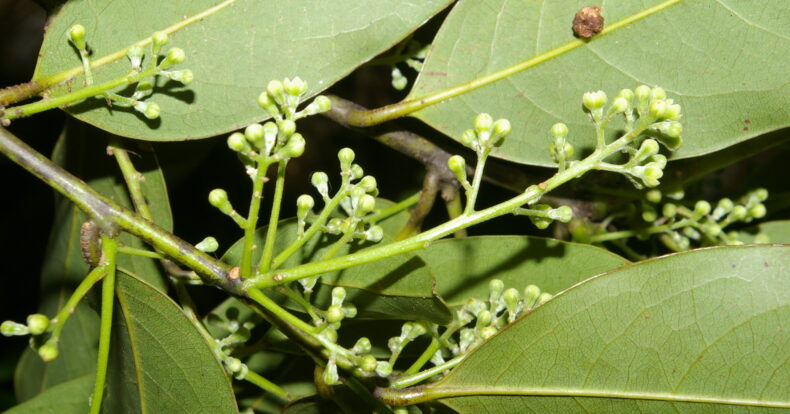
Costa Rica’s extraordinary plant diversity continues to reveal new discoveries. A team of researchers has added a new tree species to the country’s national biodiversity inventory after confirming its presence through specialized botanical studies. This discovery demonstrates that, even in one of the world’s most thoroughly studied biodiversity hotspots, there are still species waiting to be documented and better understood.
The addition of this species strengthens Costa Rica’s official flora records and highlights the importance of maintaining long-term scientific research, botanical exploration, and ecosystem conservation efforts.
A country renowned for its remarkable plant diversity
Although Costa Rica represents only a tiny fraction of the Earth’s land surface, it is home to nearly 5% of the world’s biodiversity. This richness includes thousands of species of plants, trees, ferns, mosses, orchids, and many other organisms distributed across tropical forests, mountains, wetlands, and coastal ecosystems.
Scientists continue conducting botanical inventories because there are still regions that remain insufficiently explored and species whose distribution has yet to be fully documented.
Each new record helps improve our understanding of the composition and ecological functioning of Costa Rica’s forests.
How is a new species officially added to the national inventory?
Adding a species to the official inventory requires a rigorous scientific process.
Researchers conduct field expeditions to collect plant specimens, which are then examined through morphological studies, comparisons with collections held in national and international herbaria, and, in many cases, genetic analyses.
Only after confirming the plant’s taxonomic identity and verifying that it had not previously been recorded in the country can the species officially be incorporated into the national flora inventory.
This process ensures that scientific records remain accurate and valuable for future research.
The importance of herbaria and scientific collections
Much of the knowledge about Costa Rica’s flora is supported by herbaria, scientific collections where carefully identified and documented plant specimens are preserved.
These institutions allow researchers to compare newly collected samples with historical records, study species distributions, and detect changes caused by factors such as climate change, deforestation, and landscape transformation.
Botanical collections are essential resources for researchers, universities, and environmental authorities responsible for biodiversity conservation.
More knowledge for better conservation
Documenting new species does more than expand scientific knowledge—it also strengthens conservation strategies.
Understanding where species occur, the habitats they depend on, and the threats they face allows conservationists to identify priorities for protecting forests, biological corridors, and natural areas where these plants perform essential ecological functions.
Trees not only store carbon but also help preserve soils, regulate the water cycle, and provide food and shelter for countless species of birds, mammals, insects, and other wildlife.
Botanical research continues to reveal new discoveries
This discovery demonstrates that botanical research in Costa Rica remains an active and evolving field.
Every year, national and international botanists publish new records, update taxonomic classifications, and describe previously unknown species through collaborative work involving universities, botanical gardens, herbaria, and conservation organizations.
These advances continue to deepen scientific understanding of one of the country’s greatest natural treasures.
Biodiversity as a legacy for future generations
The addition of a new tree species to the national inventory represents much more than a scientific milestone. It is further evidence that Costa Rica’s ecosystems continue to reveal their extraordinary biological richness and that there is still much left to discover.
Strengthening botanical research while protecting natural habitats remains essential to ensuring that these species continue to thrive and remain part of Costa Rica’s natural heritage for generations to come.
Recommended Official Sources
- National Biodiversity Institute (INBio)
- University of Costa Rica (UCR)
- National Museum of Costa Rica – National Herbarium
- National System of Conservation Areas (SINAC)
- Ministry of Environment and Energy (MINAE)
- Missouri Botanical Garden
- Royal Botanic Gardens, Kew
- Catalogue of the Plants and Lichens of Costa Rica