A new boost for charging infrastructure
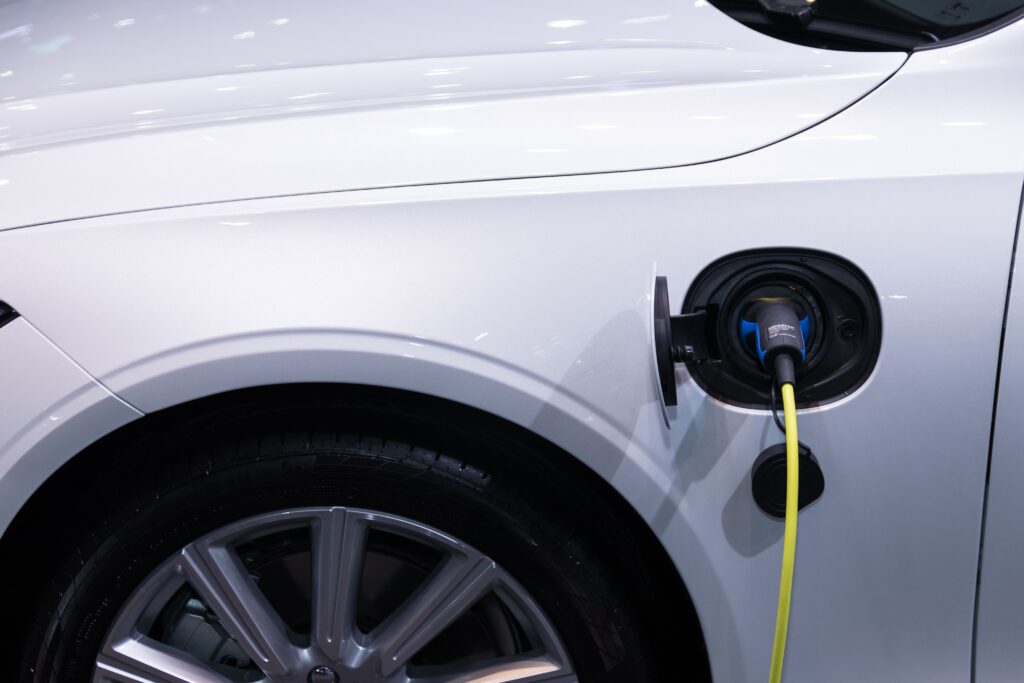
Costa Rica is continuing to strengthen its electric vehicle infrastructure through a new initiative that will install 180 public charging stations over the next three years. Led by the Costa Rican Electricity Institute (ICE), the project represents an investment of approximately $4.6 million and aims to expand nationwide charging coverage, making electric vehicle use more convenient for both residents and visitors.
The new stations will provide semi-fast charging and will be strategically located throughout the country. Their deployment will improve connectivity between regions while addressing one of the main concerns of electric vehicle owners: reliable access to charging infrastructure during longer journeys.
Another step toward transport decarbonization
Expanding the charging network is part of Costa Rica’s broader strategy to reduce greenhouse gas emissions from the transportation sector, one of the country’s largest sources of emissions.
Since the approval of the Law for the Promotion of Electric Transportation, Costa Rica has introduced several measures to encourage the adoption of electric vehicles, including tax incentives, investments in charging infrastructure, and collaboration between public institutions and energy companies.
The expansion of the charging network is designed to support the steady growth of the country’s electric vehicle fleet while encouraging more drivers to transition to cleaner transportation.
Greater coverage for residents and visitors
A larger charging network benefits not only Costa Rican electric vehicle owners but also international visitors who rent electric vehicles or travel with their own electric cars within Central America.
A well-distributed charging infrastructure makes travel planning easier and supports the continued growth of sustainable tourism, an increasingly important segment of Costa Rica’s tourism industry.
Improved charging availability also enhances access to national parks, beaches, and many other popular tourist destinations where demand for environmentally friendly transportation continues to increase.
Part of a global trend
The expansion of charging infrastructure reflects a worldwide movement toward cleaner transportation. According to the International Energy Agency (IEA), the rapid adoption of electric vehicles must be accompanied by a comprehensive charging network to build consumer confidence and support the global energy transition.
In its Global EV Outlook 2025 report, the IEA notes that public charging infrastructure continues to expand worldwide in response to the growing number of electric vehicles on the road.
Thanks to its predominantly renewable electricity generation and ambitious decarbonization policies, Costa Rica is widely recognized as one of Latin America’s leading countries in electric mobility.
Challenges facing electric mobility
Despite this progress, several challenges remain before electric mobility can be fully established across the country.
These include expanding charging coverage beyond the Greater Metropolitan Area, ensuring interoperability between different charging providers, modernizing the electricity grid, and increasing the availability of electric vehicles in the domestic market.
Careful long-term planning will be essential to support the expected growth of Costa Rica’s electric vehicle fleet in the coming years.
Strengthening the country’s environmental strategy
The installation of 180 new charging stations represents another important milestone in Costa Rica’s commitment to sustainable transportation.
Beyond making electric vehicle charging more accessible, the initiative contributes to reducing dependence on fossil fuels, improving air quality, and reinforcing Costa Rica’s international reputation as a leader in environmental innovation and clean energy transition.
With an expanding charging network and public policies that encourage sustainable transportation, the country continues to strengthen its position as one of the regional leaders in electric mobility.
Official and reference sources
- Costa Rican Electricity Institute (ICE)
- Ministry of Environment and Energy (MINAE)
- National Decarbonization Plan of Costa Rica
- Law No. 9518 for the Promotion of Electric Transportation
- International Energy Agency (IEA) – Global EV Outlook