A Decade of Growth in Carbon Capture
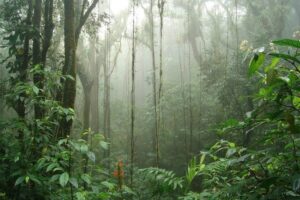
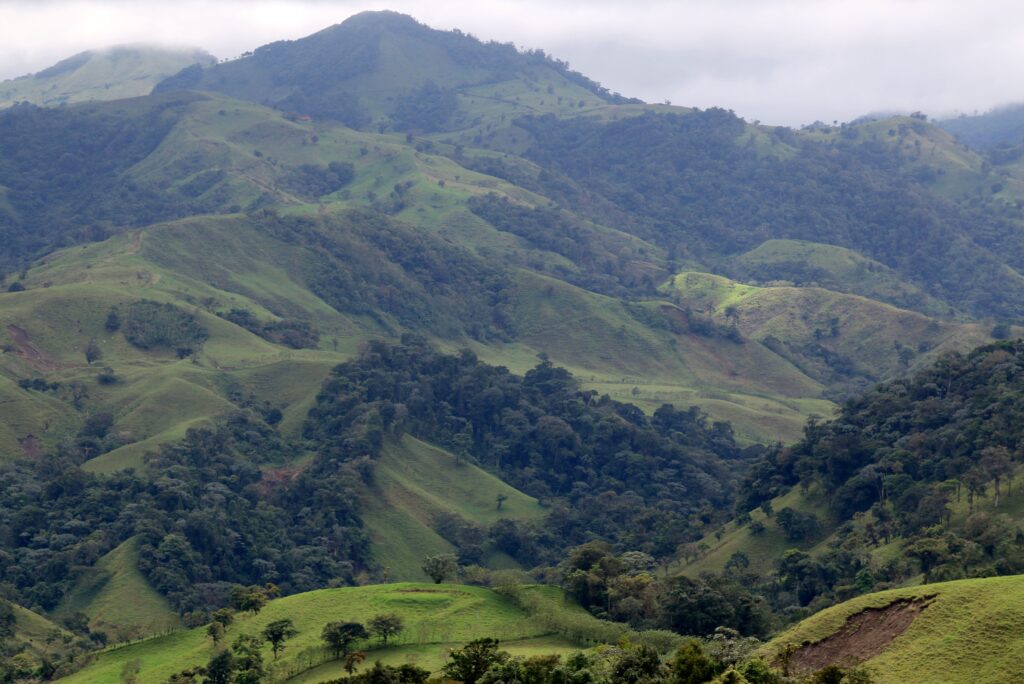
Costa Rica’s forests continue to establish themselves as one of the country’s most powerful natural tools for addressing climate change. According to recent data presented by environmental authorities and specialized organizations, the nation’s forest ecosystems captured approximately 98 million additional tons of carbon over the past decade, a result that reflects the success of long-term conservation, restoration, and sustainable management policies.
This increase represents a significant contribution to national and international efforts aimed at reducing greenhouse gas concentrations in the atmosphere while protecting biodiversity.
The Role of Forests in Combating Climate Change
Trees and forest ecosystems act as natural carbon sinks. Through photosynthesis, they absorb carbon dioxide (CO₂) from the atmosphere and store it within their biomass, roots, and soils.
This process helps reduce the concentration of gases responsible for global warming, making forests one of the most effective natural solutions for mitigating climate change.
According to the Food and Agriculture Organization of the United Nations (FAO), forests play a critical role in climate regulation, water conservation, and the protection of thousands of plant and animal species.
An Internationally Recognized Conservation Model
The growth in carbon storage across Costa Rica’s forests is closely linked to decades of conservation efforts. During the second half of the twentieth century, the country experienced significant deforestation; however, innovative public policies helped reverse this trend.
Programs such as the Payment for Environmental Services (PES), administered by the National Forestry Financing Fund (FONAFIFO), have encouraged landowners to protect and restore forest areas through financial incentives.
Thanks to these initiatives, Costa Rica has recovered a substantial portion of its forest cover and has become a global reference in ecological restoration and environmental conservation.
More Carbon Storage Means Greater Benefits for the Planet
The increase in carbon stored by forests contributes not only to climate change mitigation but also provides numerous additional environmental benefits.
Healthy forests support water regulation, protect watersheds, reduce soil erosion, and create essential habitats for thousands of plant and animal species.
Furthermore, carbon-rich forests improve ecosystem resilience against extreme weather events, helping preserve environmental services that are essential for agriculture, tourism, and human well-being.
The Importance of Forest Inventories
Carbon capture data comes from technical studies and monitoring systems developed by specialized institutions. These forest inventories allow researchers to measure biomass and calculate carbon stocks across different regions of the country.
The information collected is essential for designing public policies, fulfilling international climate commitments, and evaluating the effectiveness of conservation programs.
These monitoring systems also provide scientific evidence supporting national strategies related to decarbonization and sustainable development.
A Key Contribution to National Climate Goals
The increase in carbon capture strengthens the objectives outlined in Costa Rica’s National Decarbonization Plan and its commitments under the Paris Agreement.
The ability of forests to absorb large amounts of CO₂ helps partially offset emissions generated by sectors such as transportation, industry, and agriculture, contributing to a more sustainable transition.
While reducing emissions remains a priority, forest conservation and restoration continue to play a central role in the country’s climate strategy.
Biodiversity and Carbon: Two Closely Linked Benefits
One of the most remarkable aspects of Costa Rica’s forests is that carbon capture occurs simultaneously with the protection of extraordinary biodiversity.
These ecosystems are home to thousands of species of plants, mammals, birds, reptiles, amphibians, and insects, many of which are unique to the region.
This makes forests places where climate action and biodiversity conservation work hand in hand, generating benefits for both the country and the planet.
Looking Toward the Future
The results achieved over the past decade demonstrate that conservation policies can generate measurable and lasting positive impacts.
Maintaining and strengthening these efforts will be essential to addressing future environmental challenges, protecting biodiversity, and continuing to leverage forests as natural allies in the fight against climate change.
Costa Rica’s experience continues to be observed worldwide as an example of how forest recovery can simultaneously support sustainable development, environmental protection, and climate action.
Official and Informational Sources
- National Forestry Financing Fund (FONAFIFO)
- National System of Conservation Areas (SINAC)
- Ministry of Environment and Energy (MINAE)
- Costa Rica National Forest Monitoring Program
- Food and Agriculture Organization of the United Nations (FAO)
- United Nations Framework Convention on Climate Change (UNFCCC)
- Observador CR, based on information from environmental institutions and national forest monitoring reports.