A business case developed by INCAE Business School on the integration of the circular economy into Holcim Costa Rica’s strategy won first place in the 2026 Emerald/CEEMAN Case Writing Competition, an international competition focused on business teaching cases related to emerging and transforming economies.
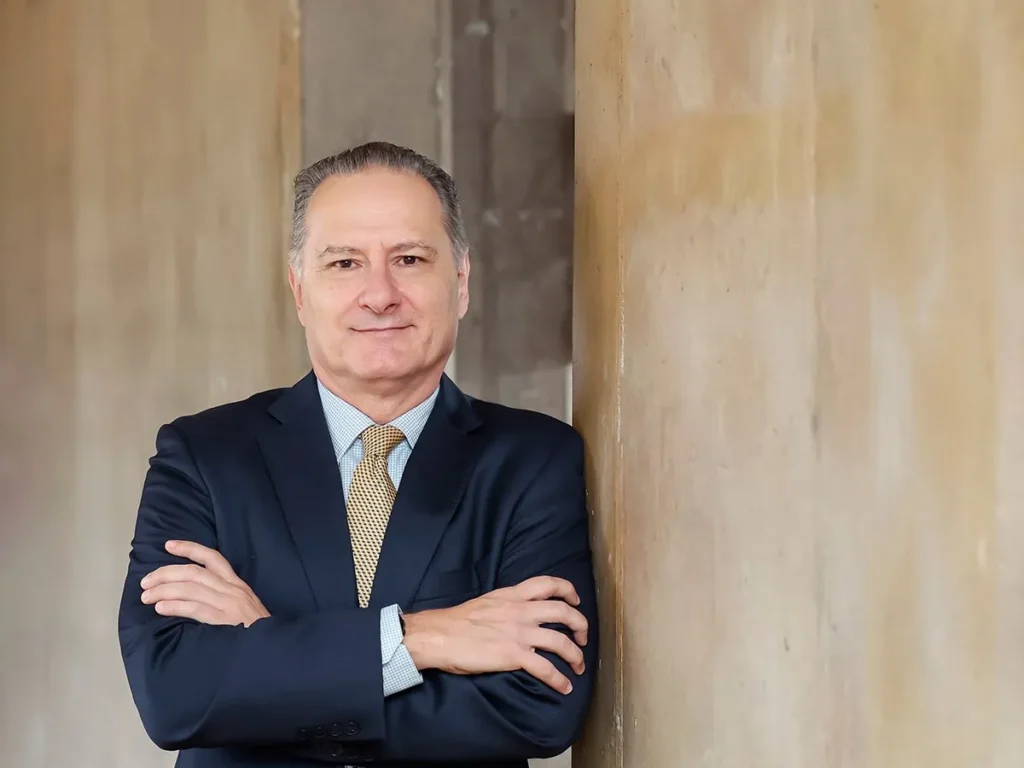
The case, titled Holcim Costa Rica: Investing in the Circular Economy, was prepared by INCAE professor Mauricio Jenkins and predoctoral program researcher Ricardo Fletes Martínez. According to the authors, the project competed against dozens of cases from nearly 20 countries.
The recognition places a Costa Rican business experience in the international spotlight while highlighting the growing importance of circular production models in corporate decision-making.
A Business Case Turned into an Educational Tool
The Emerald/CEEMAN competition focuses on cases specifically designed for use in business schools rather than traditional academic research.
These materials are based on real business situations and present concrete decisions that can be analyzed by students and professionals. The goal is to use real-world experiences to discuss the challenges organizations face and the different options available to address them.
In this case, INCAE researchers examined how Holcim Costa Rica has incorporated circular economy principles into its business strategy, using the company’s experience to explore issues related to sustainability, climate change, and value creation.
What Does Circular Economy Mean?
Unlike the traditional production model, which is largely based on extracting resources, manufacturing products, using them, and eventually discarding them, the circular economy seeks to keep materials and resources in productive cycles for as long as possible.
This can involve reducing the use of virgin raw materials, reusing materials, recovering resources, and finding new uses for products or waste that would previously have been discarded.
In 2023, Costa Rica’s Ministry of Environment and Energy presented the National Circular Economy Strategy 2023–2050, which seeks to strengthen the economy, competitiveness, and social well-being through more circular use of resources across productive sectors.
The strategy also aims to reduce pollution, improve resource efficiency, and promote the regeneration of natural capital.
The Role of Waste in Holcim’s Model
One of the examples examined in relation to Holcim Costa Rica’s strategy is the work carried out by Geocycle, the group’s waste-management platform.
The company uses co-processing to incorporate certain waste materials that do not have conventional recycling alternatives into the cement manufacturing process. Depending on their characteristics, these materials can be used as alternative fuels or alternative raw materials.
According to information published by Holcim, Geocycle managed nearly 75,000 tons of materials in Costa Rica during 2025, including contaminated oil, used tires, and biomass. The company says these materials were incorporated into its production process rather than being sent to other forms of disposal.
The initiative illustrates how waste can move beyond being viewed solely as a management problem and instead become a resource that can re-enter a productive process.
Connecting Sustainability and Business
One of the central aspects of the case recognized by Emerald and CEEMAN is the relationship between environmental initiatives and economic value creation.
Circular economy is not limited to reducing waste. It can also involve redesigning industrial processes, developing new technologies, reducing the consumption of raw materials, identifying new markets, and creating new business opportunities.
This approach is consistent with Costa Rica’s national strategy. The Ministry of Science, Innovation, Technology and Telecommunications has highlighted the potential of the circular economy to strengthen competitiveness, encourage innovation, and generate employment while reducing the environmental impacts associated with traditional production models.
International Recognition
The Emerald/CEEMAN Case Writing Competition has been running for several decades. According to CEEMAN, the competition has received more than 650 cases from 80 countries throughout its history.
The first-place award in the 2026 edition includes a €2,500 prize, as well as the opportunity to publish the winning case in Emerging Markets Case Studies, Emerald Publishing’s collection specializing in teaching cases about companies and organizations in emerging markets.
For INCAE, the recognition also provides an opportunity to bring a Latin American business experience into classrooms and use it as a learning tool for examining challenges that are becoming increasingly important for companies across the region.
A Growing Trend in the Country
The recognition comes at a time when Costa Rica is strengthening its policies related to the circular economy.
The National Circular Economy Strategy 2023–2050 establishes a long-term framework aimed at reducing dependence on natural resources, encouraging more sustainable consumption, and progressively separating economic growth from pollution.
The country has also developed specific policies addressing waste management and plastic pollution. Costa Rican legislation additionally recognizes various initiatives related to circular economy, waste prevention, reduction, reuse, and recovery as matters of public interest.
Within this context, business experiences such as the one studied by INCAE can serve as concrete examples of how these principles can move from public policies and environmental strategies into the day-to-day operations of companies.
From Waste to New Opportunities
The Holcim Costa Rica case illustrates one of the central ideas behind the circular economy: waste from one process can become a resource for another.
The transition toward more circular models involves significant technological, economic, and regulatory challenges, but it also creates opportunities for companies to rethink how they use materials and energy.
The international recognition received by the INCAE case turns this Costa Rican experience into an example that can be used in classrooms to explore how businesses can integrate sustainability into strategic decision-making.
Beyond the award itself, the case highlights a transformation gaining momentum in Costa Rica: moving from simply asking how waste should be managed to asking how resources can remain in circulation and generate value.
Sources
Ministry of Environment and Energy (MINAE): National Circular Economy Strategy 2023–2050 and national policies related to the circular economy.
Ministry of Foreign Affairs and Worship: Official information on Costa Rica’s progress in circular economy and waste management.
Emerald Publishing / Emerging Markets Case Studies: Information about international business-case competitions and academic case publication.
INCAE Business School: Information about Holcim Costa Rica: Investing in the Circular Economy, prepared by Mauricio Jenkins and Ricardo Fletes Martínez.
Holcim: Corporate information on circular economy and waste-management initiatives developed through Geocycle in Costa Rica.