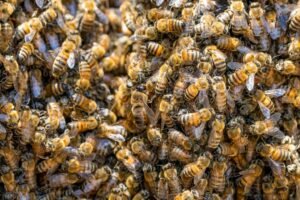
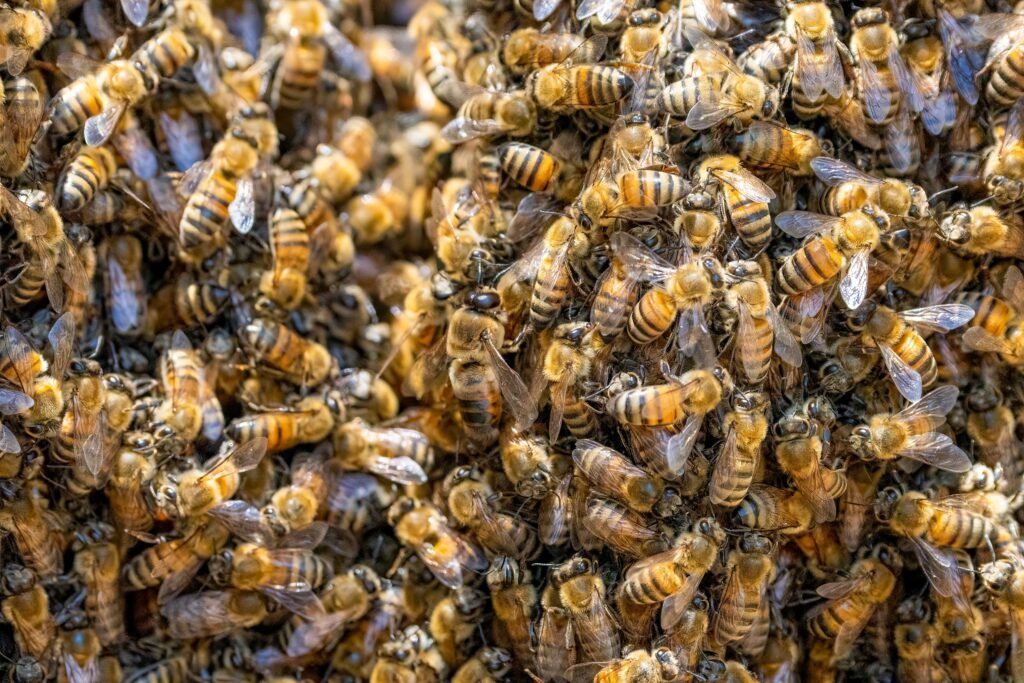
In the province of Guanacaste, a project combines honey production with the conservation of natural ecosystems. The initiative, known as the Reserva Conchal Apiary, is home to more than 2.5 million bees across 50 beehives and contributes to the pollination of hundreds of hectares of tropical dry forest.
Established in 2020 through a partnership between Reserva Conchal, Blue Zones, and Mieles Nicoyanas, the project aims to demonstrate that beekeeping can go hand in hand with biodiversity conservation and sustainable production practices.
More Than 2.5 Million Bees Working for Nature
The Reserva Conchal Apiary currently has 50 beehives housing more than 2.5 million bees of the species Apis mellifera. Their role goes far beyond honey production: these insects contribute to the pollination of plants that form part of the region’s tropical dry forest.
Pollination is a fundamental process for the functioning of ecosystems. As bees move from flower to flower in search of nectar and pollen, they transfer pollen and facilitate the reproduction of numerous plant species. This process contributes to vegetation regeneration and helps maintain the habitats on which other animals depend.
According to information published by Reserva Conchal, the activity of its beehives contributes to the pollination of hundreds of hectares of tropical dry forest. In this way, the apiary plays a role in conserving an ecosystem characteristic of Guanacaste.
A Project Focused on Sustainable Beekeeping
Since its creation in 2020, the Reserva Conchal Apiary has sought to combine honey production with the protection of bees and their natural environment.
One of the measures implemented by this initiative is relocating beehives when they are found in places where they could pose a risk, rather than destroying them. This practice helps protect the colonies and reduce the impact on these pollinators.
The project is also working on developing a genetic laboratory designed to strengthen local bee populations and help them adapt to threats such as climate change and invasive species.
In addition to its environmental dimension, the initiative has an educational component. The apiary allows visitors to learn about the work of bees and understand the importance of pollinators in maintaining ecosystem balance.
A Natural Sanctuary Protecting Tropical Dry Forest
Very close to the apiary is the Conchal Mixed National Wildlife Refuge, a protected area established on September 18, 2009, in the district of Cabo Velas, Guanacaste.
According to information from Reserva Conchal, the refuge covers approximately 39.75 hectares and protects one of Costa Rica’s most threatened coastal ecosystems: coastal tropical dry forest and its mangroves. It is also part of the Baulas-Conchal Marine-Coastal Biological Corridor, which helps connect different habitats in the region.
This natural area is home to species such as howler monkeys, coatis, white-tailed deer, raccoons, and armadillos, as well as numerous birds, reptiles, and native plants.
The mangrove forest within the refuge plays important ecological roles: it provides food and shelter for various species, helps reduce coastal erosion, and contributes to carbon sequestration.
To protect this environment, initiatives include habitat restoration, reforestation, biological monitoring, invasive species control, and environmental education.
Why Are Bees So Important?
Bees play an essential role in biodiversity conservation. Their work as pollinators supports the reproduction of numerous wild and cultivated plants, helping maintain ecosystems and food production.
In Costa Rica, the importance of these insects is also recognized by national legislation. Law No. 9929 declared beekeeping a matter of public interest because of its environmental, social, and economic importance, and established May 20 as National Bees and Other Pollinators Day.
The country is also home to a wide diversity of native stingless bees, known as meliponines. According to the National Museum of Costa Rica, around 60 species of this group have been recorded in the country. Unlike the honey bee commonly used in beekeeping, these species have their own distinctive characteristics and play important roles in tropical ecosystems.
Protecting bees requires preserving the natural areas where they find food and places to establish their nests. Habitat loss, the destruction of beehives, and various environmental threats make research and conservation initiatives particularly important.
Conservation, Production, and Environmental Education
The Reserva Conchal Apiary and the Conchal Mixed National Wildlife Refuge demonstrate how different initiatives can contribute to protecting Guanacaste’s natural wealth.
While bees support forest pollination, the refuge protects mangroves, coastal vegetation, and essential habitats for numerous species. Both initiatives are part of a broader effort to integrate environmental conservation, research, and education.
This project also reminds us that biodiversity protection does not depend solely on large protected areas. Initiatives developed in collaboration with communities and businesses can play an important role in caring for ecosystems and the species that depend on them.
Sources
- Teletica – “More Than Two Million Bees Protect a Natural Sanctuary in Guanacaste” (October 21, 2026).
- Reserva Conchal – Sustainability: official information about the apiary and the Conchal Mixed National Wildlife Refuge.
- National System of Conservation Areas (SINAC) – Guanacaste Conservation Area.
- Legislative Assembly of Costa Rica – Law No. 9929: Declaration of Beekeeping and National Bees and Other Pollinators Day as Matters of Public Interest.
- National Museum of Costa Rica – Stingless Bees: Diversity and Conservation Status.
- National University of Costa Rica – Association Between Stingless Bees and Dry Forest Flora in the Northern Guanacaste Region.