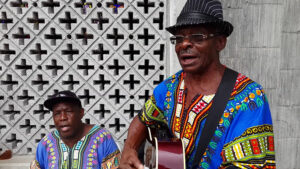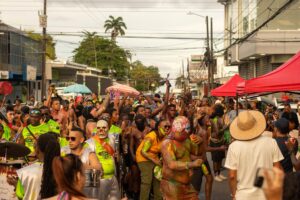
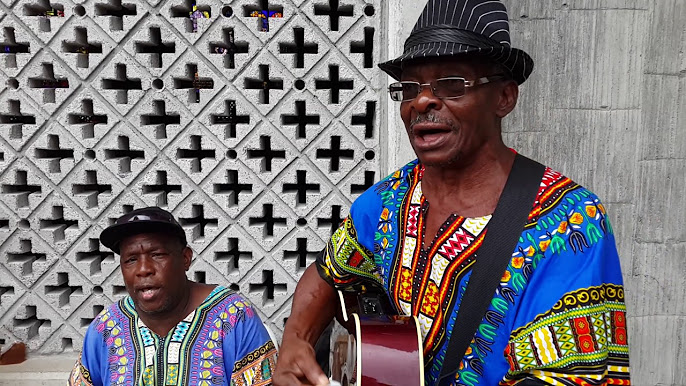
Limón calypso, one of the main musical expressions of Costa Rica’s Afro-Caribbean culture, is moving toward possible inscription on UNESCO’s Representative List of the Intangible Cultural Heritage of Humanity.
In March 2026, the Ministry of Culture and Youth announced the promotion of this musical tradition’s candidacy, with a file bringing together research, testimonies, and documentation on its historical, cultural, and social importance. The process was presented with the participation of authorities, UNESCO representatives, musicians, researchers, and members of communities connected to calypso in the province of Limón.
A Tradition Linked to Caribbean History
Calypso arrived in the Costa Rican Caribbean at the end of the 19th century, in a context marked by the arrival of Afro-Caribbean populations from different Caribbean islands, particularly Jamaica, Barbados, and Saint Kitts.
According to Costa Rica’s Cultural Information System, calypso began to be heard in the Limón region around 1870. Over time, the local community developed its own way of performing and passing down this musical tradition.
Limón calypso songs have historically been used to tell stories about events, social situations, and everyday life. Its performers, known as calypsonians, use music and storytelling to convey stories connected to communities in Costa Rica’s Caribbean region.
The tradition is also linked to Limón Creole, a language historically used by part of the province’s Afro-Caribbean communities. Some calypso compositions are performed in this language, reinforcing the relationship between music, memory, and cultural identity.
Cultural Heritage of Costa Rica Since 2012
Limón calypso was declared intangible cultural heritage of Costa Rica through Executive Decree No. 37418-C, published in La Gaceta on December 12, 2012.
The Costa Rican Cultural Information System identifies the tradition as a traditional artistic and cultural expression found mainly in Limón, Siquirres, and Cahuita.
The national declaration recognizes the cultural nature of a tradition that remains alive through its practitioners, musicians, and communities, and which continues to be passed down and transformed across generations.
A Candidacy Process Before UNESCO
The next step is to bring this cultural expression to the international level. In March 2026, the Ministry of Culture and Youth announced that Costa Rica would promote Limón calypso’s candidacy for the Representative List of the Intangible Cultural Heritage of Humanity.
The file includes research, testimonies, and documentary material intended to support the cultural, historical, and social value of this tradition.
UNESCO defines intangible cultural heritage as practices, representations, expressions, knowledge, and skills that communities recognize as part of their heritage and that are passed down from generation to generation. This category includes, among other expressions, oral traditions and performing arts.
The potential inscription of Limón calypso will depend on the corresponding evaluation process. Currently, UNESCO’s official page on Costa Rica lists one element on the Representative List: the traditional ox-herding and oxcart-driving traditions, inscribed in 2008.
Limón’s Memory Through Music
Calypso is not limited to musical performance. Its songs have historically served as a way of documenting events and experiences within communities in Costa Rica’s Caribbean region.
The Cultural Information System, for example, documents compositions related to events that affected Limón’s economy and daily life, such as diseases that affected cocoa crops. The calypso tradition has also addressed social issues, using humor and storytelling as characteristic elements.
Among the best-known figures of this tradition is Walter Ferguson, recognized as one of the leading exponents of Limón calypso. Originally from Cahuita, Ferguson had an extensive career as a composer and performer and contributed to the dissemination of the genre both within and beyond the province of Limón.
Research and the Transmission of a Living Tradition
Institutional interest in documenting Limón calypso is not recent. In the early 1980s, the then Ministry of Culture, Youth and Sports developed the “Limón Project,” a pioneering research initiative on calypso and other expressions of Afro-Caribbean culture.
The project made it possible to record and preserve music performed by artists of that period. Decades later, the Ministry of Culture and Youth supported the production of the documentary “El Proyecto Limón, 40 años de grabación e investigación sobre el Calipso Limonense,” which brought together testimonies from researchers, musicians from earlier generations, and new representatives of the tradition.
These efforts form part of a broader process of documenting and transmitting Costa Rica’s Afro-Caribbean cultural heritage.
A Heritage That Continues to Evolve
The UNESCO candidacy once again brings Limón calypso to the international stage and highlights a tradition that continues to be practiced in communities throughout Costa Rica’s Caribbean region.
Beyond international recognition, the candidacy process is also connected to the need to document, protect, and pass cultural expressions on to younger generations.
For Limón, calypso represents part of the province’s Afro-Caribbean history and identity, built through music, oral tradition, and the shared experiences of its communities.
Sources
- Ministry of Culture and Youth of Costa Rica — Costa Rican Cultural Information System (SICultura): “Calypso limonense: música, danza e identidad cultural”.
- Ministry of Culture and Youth of Costa Rica — Costa Rican Cultural Information System (SICultura): “Historia del Calypso Limonense”.
- Ministry of Culture and Youth of Costa Rica: “Documental recopila historia de investigación pionera sobre Calipso limonense”, May 6, 2022.
- UNESCO — Intangible Cultural Heritage: “Costa Rica”.
- Teletica: “El calipso limonense da un paso histórico hacia la UNESCO”, March 2026.