Every August 24, Costa Rica celebrates National Parks Day, a date dedicated to recognizing the importance of protected natural areas and the need to preserve the country’s ecosystems, biodiversity, and natural resources.
The celebration is an opportunity to remember that national parks are not simply tourist destinations. They are essential spaces for protecting forests, water sources, wildlife, and ecosystems that form part of Costa Rica’s natural heritage. The National System of Conservation Areas (SINAC) includes this date in the country’s environmental calendar.
A Date Dedicated to Conservation
August 24 was established as National Parks Day in the mid-1980s. According to historical information published by SINAC, the date was consolidated after then-President Luis Alberto Monge ratified, through a law of the Republic, the decrees related to the creation of national parks.
Since then, the day has become an opportunity to raise awareness about the importance of conserving these territories and to recognize the work of the people responsible for protecting them.
Much More Than Places to Visit
National parks fulfill several environmental functions. They protect fragile ecosystems, contribute to the conservation of plant and animal species, and provide opportunities for research, environmental education, restoration, and responsible tourism.
SINAC points out that national parks represent only one of the categories within Costa Rica’s protected areas system. Other categories include biological reserves, national wildlife refuges, wetlands, forest reserves, protected zones, natural monuments, and other conservation categories with specific objectives.
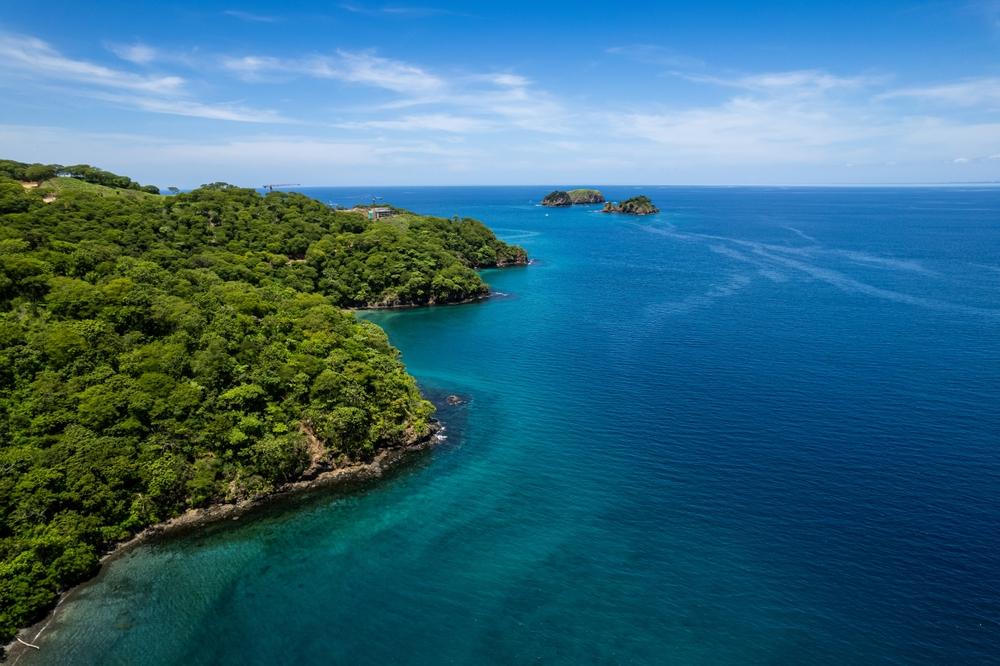
This diversity of categories makes it possible to protect very different environments, from tropical forests and volcanoes to wetlands, mangroves, marine ecosystems, and coastal areas.
A Network Protecting Biodiversity
National parks are part of the National System of Conservation Areas, administered by SINAC, an institution attached to the Ministry of Environment and Energy (MINAE).
The network includes some of the country’s best-known natural destinations, such as Manuel Antonio, Corcovado, Tortuguero, Poás, Arenal, Rincón de la Vieja, Cahuita, and Santa Rosa.
Each one protects different ecosystems and species. For example, Corcovado National Park is located on the Osa Peninsula, while the Guanacaste Conservation Area includes Santa Rosa, Guanacaste, and Rincón de la Vieja national parks, as well as other protected areas.
The Role of Park Rangers
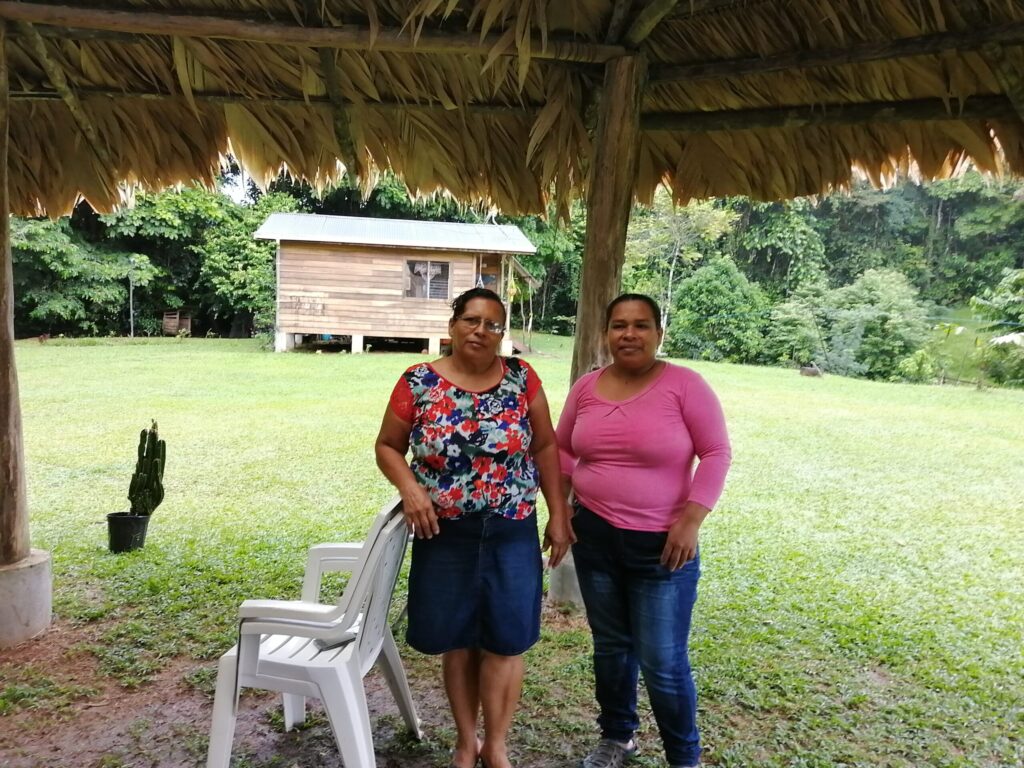
The conservation of these spaces also depends on the daily work of park rangers and SINAC staff.
Their responsibilities include surveillance, visitor assistance, preventing illegal activities, monitoring species, environmental education, and supporting different conservation projects.
During previous National Parks Day celebrations, SINAC has highlighted the work of park rangers and the importance of bringing local communities closer to their work in protected territories.
A Heritage That Also Benefits Communities
National parks also have an important social and economic dimension.
Thousands of national and international visitors explore protected areas every year, generating activity for guides, tour operators, accommodations, restaurants, transportation providers, and other businesses in nearby communities.
Nature-based tourism can therefore connect conservation with local development, provided that activities are carried out responsibly and respect the regulations established for each protected area.
An Opportunity to Discover and Protect
This August 24 can also be an opportunity for more people to discover Costa Rica’s national parks and understand why protecting them is so important.
A responsible visit means respecting trails and staff instructions, not feeding or touching wildlife, taking waste away, and avoiding any activity that could negatively affect ecosystems.
People planning to visit a protected area can also check entry requirements and official reservation systems in advance through SINAC.
Free Admission on August 24
This year, there is an additional incentive to celebrate the occasion: according to SINAC’s official online services system, admission to protected areas is free for all visitors on August 24, in accordance with Decree No. 16847-MAG-MEP of 1986.
The free admission applies to entry; additional services such as food, transportation, equipment rental, or guided tours may have separate costs.
National Parks Day is therefore not only an opportunity to celebrate Costa Rica’s natural wealth, but also an invitation to experience it responsibly.
A Celebration of Costa Rica’s Natural Heritage
In a country internationally recognized for its biodiversity, national parks represent an essential part of its natural heritage.
Every forest, volcano, river, beach, reef, and protected species found within these areas forms part of a system that provides ecological benefits extending far beyond the boundaries of individual parks.
Celebrating National Parks Day ultimately means recognizing that protecting these places is a shared responsibility and that their conservation will allow future generations to experience Costa Rica’s extraordinary natural diversity.
Official Sources
National System of Conservation Areas (SINAC): historical and official information about National Parks Day and the conservation of protected areas.
SINAC – Online Services: official information regarding free admission to protected areas on August 24.
SINAC – Protected Wild Areas: information about national parks, reserves, and other protected-area categories.