
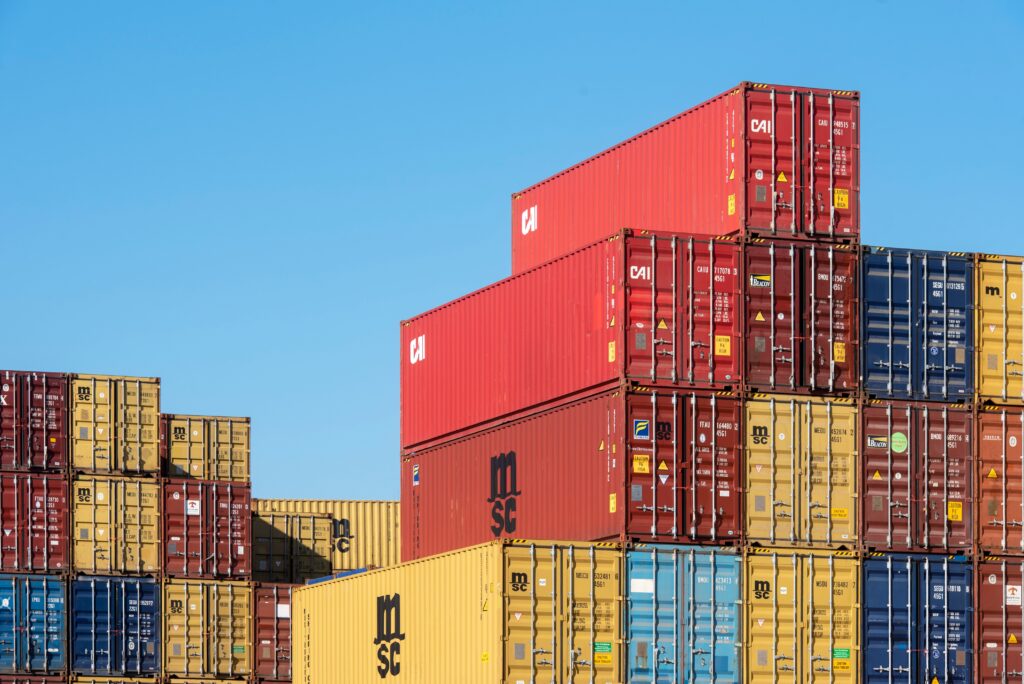
Costa Rica’s goods exports reached a new high during the first half of 2026, highlighting the dynamism and growing diversification of the country’s productive sector.
Between January and June, Costa Rican exports totaled US$11.722 billion, representing a 7% increase compared with the same period in 2025. Growth was driven particularly by the electrical and electronics sector, fisheries, and agriculture.
The result comes amid an international environment marked by geopolitical challenges and changes in global markets, making the ability of Costa Rican companies to maintain and expand their international presence particularly significant.
Growth Across the Main Export Regimes
The first-half performance was not concentrated in a single production model.
Exports from the free trade zone regime reached US$7.855 billion, representing a 6% increase compared with the same period last year.
Meanwhile, exports under the definitive regime, which includes operations outside free trade zones, reached US$3.746 billion, an 8% increase.
The simultaneous growth of both regimes highlights the importance of maintaining a diverse export structure, involving companies connected to high-tech industries as well as agricultural producers, food companies, and other traditional sectors.
According to PROCOMER, this combination helps expand the country’s export offering, connect domestic companies with international markets, and strengthen production linkages across different regions.
Medical Devices Maintain Their Leading Position
The precision and medical equipment sector continues to rank first among Costa Rica’s main export activities.
During the first six months of 2026, the sector accounted for approximately 46% of goods exports and recorded 4% growth.
The importance of this industry reflects the transformation Costa Rica’s economy has undergone over recent decades. The country has developed a strong platform for specialized manufacturing, particularly in medical devices and other high-value-added products.
Official data previously published by COMEX had already shown this trend. During the first quarter of 2026, medical devices accounted for approximately 45% of goods exports, while the sector recorded 6% growth.
Electrical and Electronics Industries Accelerate
One of the most notable results during the first half of the year was the performance of the electrical and electronics sector.
Exports from this industry increased by 25% compared with the same period the previous year.
This growth reinforces the role that technology and advanced manufacturing industries are playing within the country’s productive structure.
Costa Rica has also been strengthening its position in activities related to semiconductors, electronics, and advanced manufacturing — sectors considered strategic for the country’s integration into global value chains.
Agriculture and Food Manufacturing Also Grow
Growth is not limited to high-tech industries.
The agricultural sector recorded 6% growth during the first half of the year, while the food industry grew by 10%.
These results demonstrate that agricultural and food products continue to play an important role in Costa Rica’s export offering.
The combination of agriculture, agribusiness, specialized manufacturing, and technology gives the country a relatively diversified export structure.
During the first quarter of 2026, COMEX reported 9% growth in agricultural exports, with products such as pineapple, coffee, and watermelon among those showing significant increases.
Fisheries and Livestock Activities Show Strong Growth
Another notable result came from the livestock and fisheries sector.
Exports from these activities increased by 13% during the first half of 2026.
The result highlights the breadth of Costa Rica’s export offering and the ability of different productive activities to find opportunities in international markets.
Together with agriculture and food manufacturing, these sectors maintain direct connections with producing communities and numerous regions outside the Greater Metropolitan Area.
Europe and Asia Gain Ground
Export growth was also accompanied by positive developments in several international markets.
During the first half of the year, exports to Europe increased by 13%, while shipments to Asia grew by 41%.
Central America recorded 9% growth, South America 6%, and the Caribbean 1%. In contrast, exports to North America declined by 1%.
The strong growth toward Asia is particularly significant, as it reflects efforts made in recent years to expand the presence of Costa Rican products in markets beyond their traditional destinations.
During the first quarter of 2026, COMEX had also identified Asia as the region with the strongest relative growth, with exports increasing by 53% compared with the same period in 2025.
An Increasingly Diversified Export Economy
The first-half results reveal a combination of traditional industries and high-value-added activities.
On one hand, agricultural and food products remain an important part of Costa Rica’s export offering. On the other, medical devices, electronics, pharmaceuticals, and advanced manufacturing have gained increasing importance.
This diversification is also reflected in previous years’ figures. In 2025, goods exports reached a historic value of approximately US$22.855 billion, representing a 14% increase compared with 2024, according to PROCOMER data released by COMEX.
The growth recorded in 2026 therefore adds to a broader expansion trend that has strengthened the presence of Costa Rican products in international markets.
The Challenge of Maintaining Growth
Although the first-half figures are positive, the international environment continues to present challenges for exporters.
Changes in global demand, geopolitical tensions, logistics costs, and international trade conditions can all affect the competitiveness of Costa Rican products.
In this context, diversifying markets and sectors becomes an important tool for reducing dependence on particular destinations and strengthening the productive sector’s ability to adapt.
The growth recorded both in free trade zones and under the definitive regime suggests that different segments of the economy are finding opportunities to expand their international sales.
A Key Sector for the Country’s Economy
Exports represent much more than the value of goods sold abroad.
The export sector is connected to supply chains, employment, investment, innovation, and the development of productive capabilities across different regions of the country.
Data published by the institutions responsible for foreign trade show that Costa Rica continues to evolve from an economy historically associated with agricultural products toward a structure in which agriculture, food manufacturing, medical devices, electronics, services, and advanced manufacturing coexist.
With US$11.722 billion in goods exported during the first six months of 2026, the country has recorded another period of growth and confirmed the important role international trade continues to play in its economy.
Sources of Information
Promotora del Comercio Exterior de Costa Rica (PROCOMER) — Data on goods exports during the first half of 2026.
Ministry of Foreign Trade of Costa Rica (COMEX) — Official releases on export performance, productive sectors, and international markets.
National Institute of Statistics and Census (INEC) — Official statistics on foreign trade and goods exports and imports.
Foreign Trade Statistics Consultation System (SICCE) — Official INEC platform providing detailed foreign trade statistics by period, product, country, regime, and customs office.