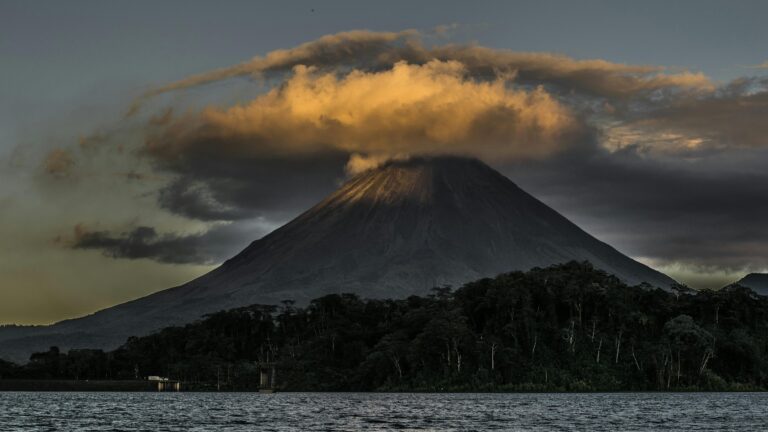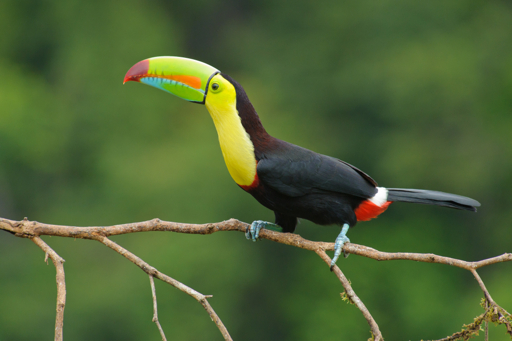





A toucan photographed in Costa Rica has attracted international attention after appearing in a publication by the renowned magazine National Geographic, once again highlighting the country’s extraordinary biodiversity. The image showcases the beauty and vibrant colors characteristic of these tropical birds, which are considered one of the most representative symbols of Central American ecosystems.
The publication is part of a series of content in which the magazine highlights wildlife from around the planet, featuring emblematic species and conservation efforts in different regions.
An Iconic Species of Tropical Forests
Toucans belong to the Ramphastidae family, a group of birds widely recognized for their large, brightly colored bills. Several species live in Costa Rica, including the keel-billed toucan (Ramphastos sulfuratus) and the chestnut-mandibled toucan (Ramphastos ambiguus), which are mainly found in humid tropical forests and jungle areas.
According to information from the National System of Conservation Areas (SINAC) of the Ministry of Environment and Energy, these birds play a fundamental role in ecosystems, as they help disperse seeds and contribute to the balance of tropical forests.
Costa Rica is home to around 6% of the world’s biodiversity, despite covering less than 0.1% of the planet’s land surface, making the country one of the most important destinations for birdwatching and nature tourism.



The Value of Nature Photography
Wildlife images published by international media such as National Geographic play an important role in raising awareness about biodiversity conservation. Through photography, millions of people around the world can discover species and ecosystems that would otherwise remain unknown.
The Costa Rican Tourism Institute (ICT) has highlighted in several reports that the country’s natural richness and the opportunity to observe animals in their natural habitat are among the main attractions for international visitors.
In fact, nature tourism and birdwatching are among the tourism segments that have gained the most importance in Costa Rica over the past decades.
Biodiversity and Conservation in Costa Rica
The presence of species such as the toucan reflects the importance of the conservation policies implemented in the country. More than 25% of the national territory is protected under different categories of wildlife areas, according to data from the Ministry of Environment and Energy.
National parks, biological reserves, and wildlife refuges help preserve the habitats of thousands of species, many of them endemic or threatened.
The international dissemination of images of Costa Rican wildlife helps reinforce the country’s recognition as one of the world’s leading references in environmental conservation and biodiversity.
Official Sources Consulted
Ministry of Environment and Energy (MINAE)
National System of Conservation Areas (SINAC)
Costa Rican Tourism Institute (ICT)
CRHoy – “Costa Rican Toucan Amazes in National Geographic Publication”