A new artistic proposal that invites reflection on cultural and territorial ties was inaugurated this month at the Casa de la Cultura de Puntarenas Elsie Canessa de Odio. Titled “La Trenza” (The Braid), the photographic exhibition by Mexican artist Malena Díaz explores, through poetic and symbolic images, the connections between identity, collective memory, and cultural landscape.
The exhibition, which offers free admission, will be open to the public from Thursday, February 5, through Friday, March 6, 2026. Visiting hours are Monday to Friday from 8:00 a.m. to 4:00 p.m., and Saturdays from 9:00 a.m. to 1:00 p.m.
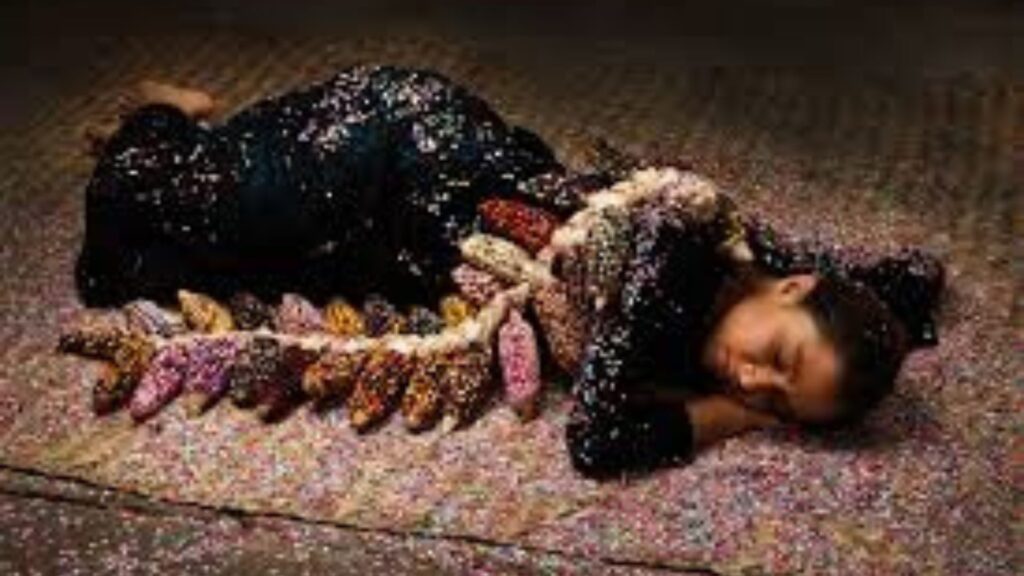
“La Trenza” proposes a visual journey that intertwines stories, symbols, and ancestral practices, establishing a dialogue between tradition and contemporaneity. Through her photographs, Díaz invites viewers to pause and reflect on the visible and invisible threads that weave individual and community narratives, placing special emphasis on women’s experiences and on practices linked to everyday life and territory.
As part of the exhibition’s complementary activities, a special concert is scheduled for Monday, February 16 at 10:00 a.m., featuring the National Band of Puntarenas and singer-songwriter Carlos Luis Soto. They will perform at the Casa de la Cultura to enrich visitors’ experience.
The artist explained that the origin of the photographic series is related to research on cultural processes surrounding corn, rural life, and community practices that have transmitted knowledge from generation to generation. The exhibition pays tribute to those who cultivate, protect, and transform this ancestral seed, as well as to the grandmothers and farmers who keep collective memory alive in their territories.
“La Trenza” also represents an opportunity to strengthen access to the visual arts in the Central Pacific region, reaffirming the role of the Casa de la Cultura de Puntarenas as a space for encounter, dialogue, and cultural participation that recognizes the identities and histories of communities outside the country’s central region.