
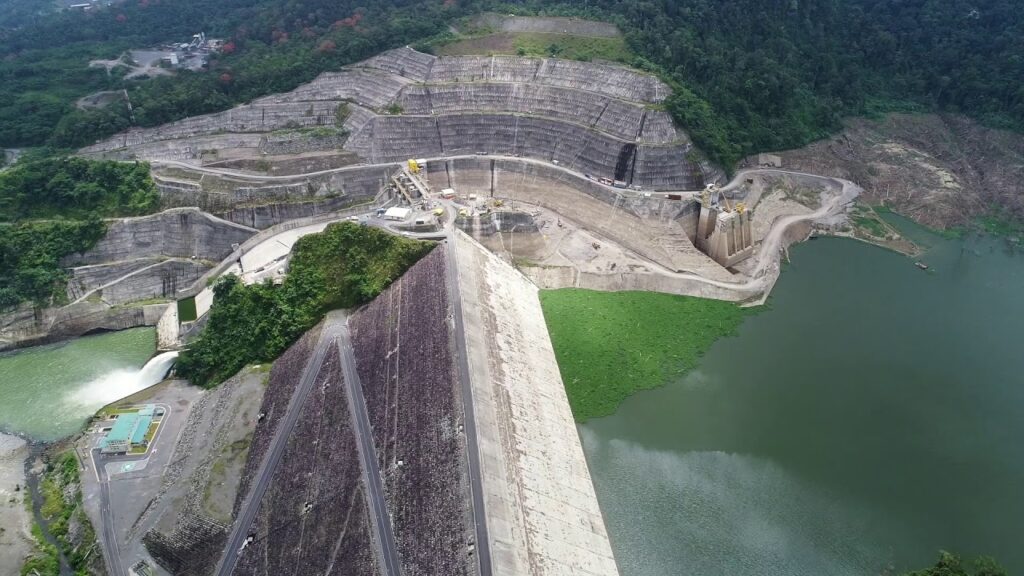
The Reventazón hydroelectric plant, located in Siquirres de Limón, recorded in 2025 the highest annual production since it began operations, reinforcing Costa Rica’s leadership in renewable electricity generation. According to data from the Costa Rican Electricity Institute (ICE), its contribution was decisive for the performance of the National Electric System during the last year.
A record year for electricity generation
According to information released by ICE, Reventazón generated a total of 1,139.4 gigawatt hours (GWh) in 2025, the highest figure since it came online. That volume represented approximately 9% of all the electricity produced in the country during the year, a significant share for a single plant. Thanks to this performance, national hydroelectric generation grew by about 20% compared to 2024, which shows favorable hydrological conditions and efficient operation of the regulating plants.
A strategic piece of the National Electric System
Reventazón is part of the group of large hydroelectric plants that constitute the firm base of the National Electric System, along with Arenal, Dengo, Sandillal, Cachí, Pirrís and Angostura. These regulating plants make it possible to store water in reservoirs and manage its use in a controlled way, which provides security, reliability and stability to the country’s power grid. This type of infrastructure is key to complement other variable renewable sources such as wind and solar, and to maintain Costa Rica’s electrical independence from imported fossil fuels.
Features and capacity of the plant
The Reventazón hydroelectric plant is the largest work of its kind built in Central America and was developed by ICE with financing from national and international banks. It has an installed capacity of around 305 megawatts (MW), enough to supply electricity to about 525,000 homes under average conditions. Its reservoir covers an area of approximately 7 square kilometers and has a filling volume of about 300 million cubic meters of water, which allows operation with a high regulation capacity.
History and commissioning
Construction of Reventazón began in 2010 and the project was officially delivered in September 2016, as one of the most important infrastructure works in the country in the energy sector. According to the technical data published by the Presidency and ICE at the time of inauguration, the plant was designed and built mainly by Costa Rican talent and was presented as a fundamental piece to maintain national electrical independence. The project began commercial operation around 2016–2017, marking a milestone for the expansion of renewable capacity in Costa Rica.
Reventazón and the future of clean energy in Costa Rica
The results of 2025 form part of a broader strategy by ICE, which plans to add more than 600 megawatts of additional renewable capacity to its generation matrix by 2030. The strong performance of Reventazón confirms the role of regulated hydropower as support for the growth of other renewable sources and as a guarantee of a reliable electricity supply for households, businesses and essential services. At the same time, the plant is covered by performance reports associated with green bonds and international climate standards, which reinforces its importance within the country’s efforts to align its infrastructure with sustainability and climate action criteria.
Sources :
- Costa Rican Electricity Institute (ICE), energy projects section – Reventazón Hydroelectric Plant.
- “ICE entrega a los costarricenses Planta Hidroeléctrica Reventazón”, official press release from the Presidency of Costa Rica (2016).
- ICE institutional press room notes on Reventazón’s 2025 production.
- Green bond and climate performance reports linked to the Reventazón Hydroelectric Project.