Environmental Operation in Guanacaste
An environmental control operation in the canton of Bagaces, in the province of Guanacaste, resulted in one of the largest timber seizures so far in 2026. Officials from the National System of Conservation Areas (SINAC), attached to the Ministry of Environment and Energy (MINAE), confiscated more than 2,000 timber posts allegedly extracted illegally from a property in the area. The intervention was carried out in coordination with SINAC’s Control and Protection programme, following a tip-off about possible illegal tree harvesting in the area.
Arrest of Four Suspects
During the operation, several individuals present at the site attempted to flee upon noticing the presence of environmental authorities. After a search of the surrounding area, officials located four suspects in the Barrio La Cruz sector of Guayabo de Bagaces, who were detained on the spot. According to official information, the individuals — surnamed Martínez, Villalobos, Acosta and Cordero — were handed over to the Public Prosecutor’s Office to face criminal proceedings for alleged involvement in environmental crimes related to illegal tree felling.
Timber, Chainsaws and Truck Seized
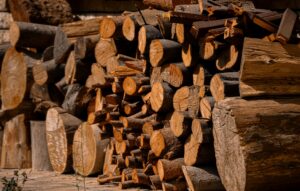
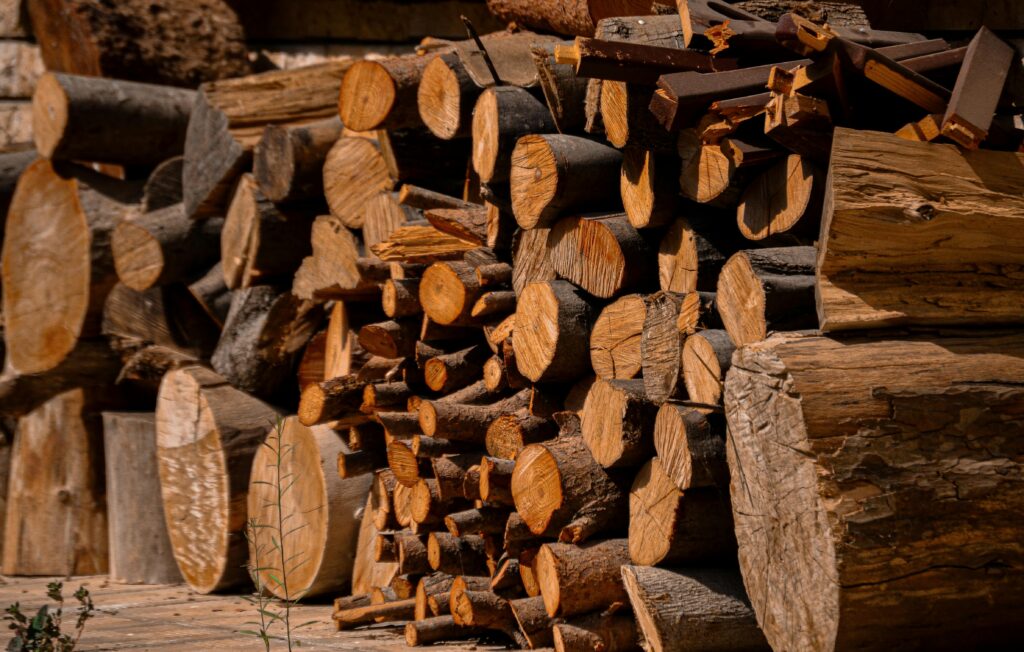
On the searched property, nearly 2,000 posts of various timber species were found, stacked and ready for transport. In addition, authorities confiscated a truck carrying approximately 90 additional posts, as well as three chainsaws that had allegedly been used to cut the trees. All materials and equipment were seized as evidence within the investigation process and will be placed at the disposal of the competent judicial authorities.
Action Against Organised Illegal Logging Networks
The regional director of the Arenal Tempisque Conservation Area, Alexander León, explained that this seizure forms part of a surveillance and control strategy to dismantle organised groups engaged in the illegal timber trade. He noted that environmental authorities maintain monitoring operations across various sectors of the region, as several networks have been identified that operate systematically in the felling and harvesting of timber without permits. SINAC has reiterated that it will continue carrying out this type of intervention in coordination with other institutions, with the aim of reducing pressure on forests and curbing the illicit trade in forest products.
Environmental Impact in One of the Country’s Driest Zones
The operation takes on particular significance as it occurred in Guanacaste, one of the driest provinces in the country and one especially vulnerable to environmental degradation. According to SINAC, indiscriminate tree felling in this region can have significant effects, including reduced forest cover, increased soil erosion, loss of biodiversity and disruption of the water cycle. In contexts of climate variability and recurring droughts, protecting forests and trees on private properties is key to maintaining essential ecosystem services such as water regulation and watershed protection.
Legal Framework and Environmental Offences
Costa Rican legislation establishes that timber harvesting requires permits and management plans duly authorised by the environmental authorities. The felling, transport or commercialisation of forest products without these permits may constitute an environmental offence, punishable by prison sentences, fines and the seizure of both the timber and the equipment used. Operations such as the one carried out in Bagaces seek to enforce these legal provisions and send a deterrent message against the illegal extraction of natural resources.
Call to Report Illegal Logging
Following the seizure, SINAC reiterated its call to citizens to report any activity related to illegal logging, unauthorised timber transport or other environmental crimes. Reports can be submitted at SINAC’s regional offices, via the telephone hotline 1192, or through the digital platforms of MINAE’s Integrated Environmental Complaint Processing System. The institution emphasises that citizen collaboration is essential to strengthening environmental monitoring and acting swiftly against those who threaten the country’s natural heritage.